view
“Nike was one of the behemoths that started thinking of itself first and foremost as a manufacturer of brand, not of product. [...] This process connected the users to its values, and filled their desire to be part of a tribe, a circle of belonging.”
“[You are being] charged a premium for products that are less about the object themselves than about the profound human desired to be part of a tribe, a circle of belonging”
“When kids lined up all night o buy $250 Nike sneakers, they weren’t exactly buying the sneakers; they were buying the idea of justdoit...”
Lauren Greenfield
Are we buying products—or the identity and tribe they promise us?
How much of what we pay for is tied to belonging, status, or cultural narrative rather than the object itself?
When desire drives consumption, are we shaping our choices—or letting brands shape who we want to be?
view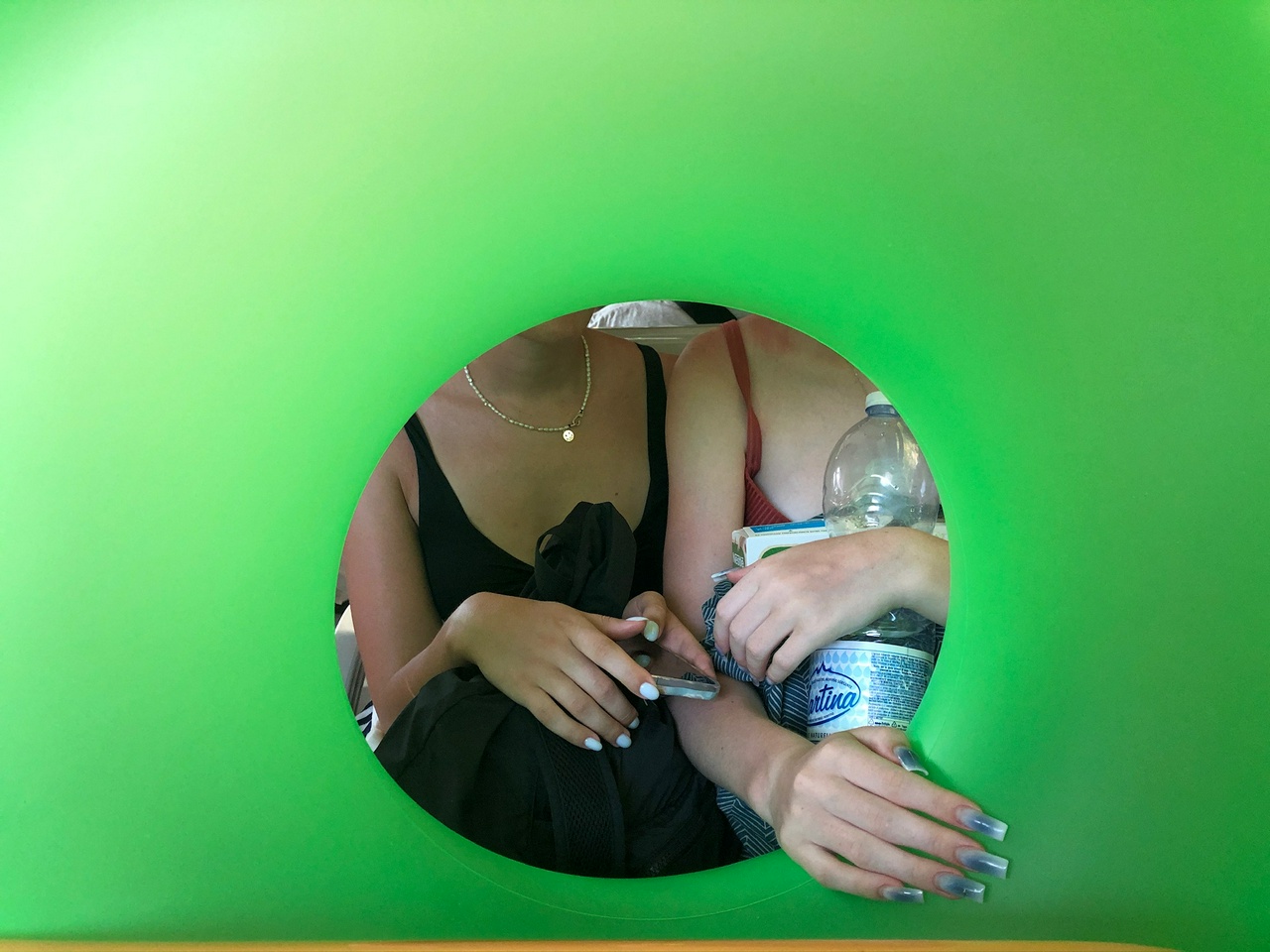
Are we chasing happiness as a fantasy, or learning to navigate the storms and calm waters of real relationships?
Do we face our partner’s vulnerabilities with understanding and presence, or use them as weapons to protect our own ego?
Is love about being served and absolutes, or about showing up daily, engaging deeply, and committing to mutual growth?
view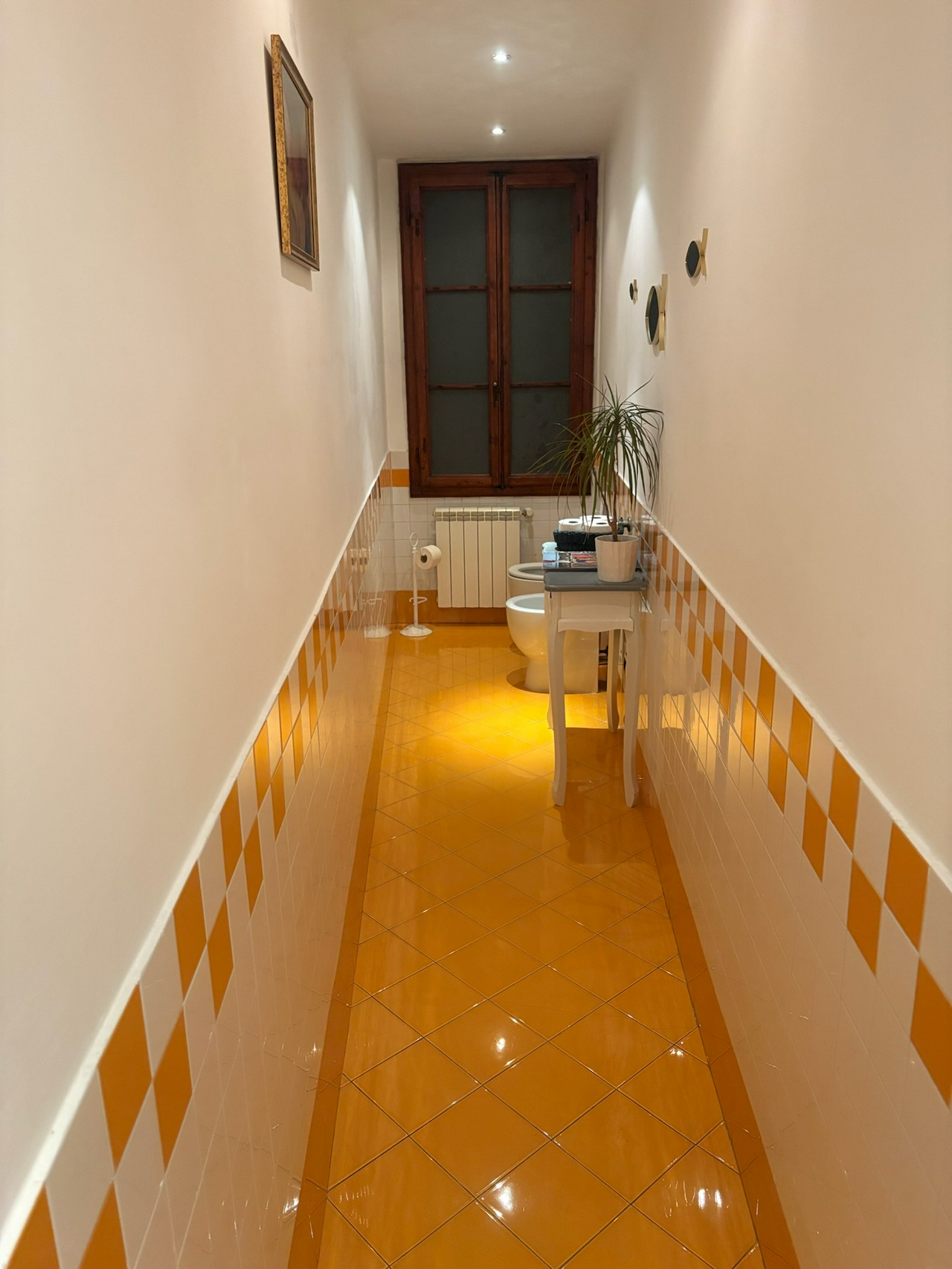
Let them whisper of effort, of time, of mistakes. Let them mark the boundary between seeing and understanding, between fleeting attention and meaningful thought. In the end, the chaos is ours, the distraction is ours, the responsibility is ours. And perhaps, if we pause long enough, even timid hearts can notice the patterns beneath the noise.
Are you truly efficient—or just moving fast while wasting your time and energy?
With AI speeding up tasks, are we gaining meaningful time or just multiplying distractions and mental load?
How much of your day is spent on real creation, reflection, and depth, versus fragmented notifications and shallow work?
view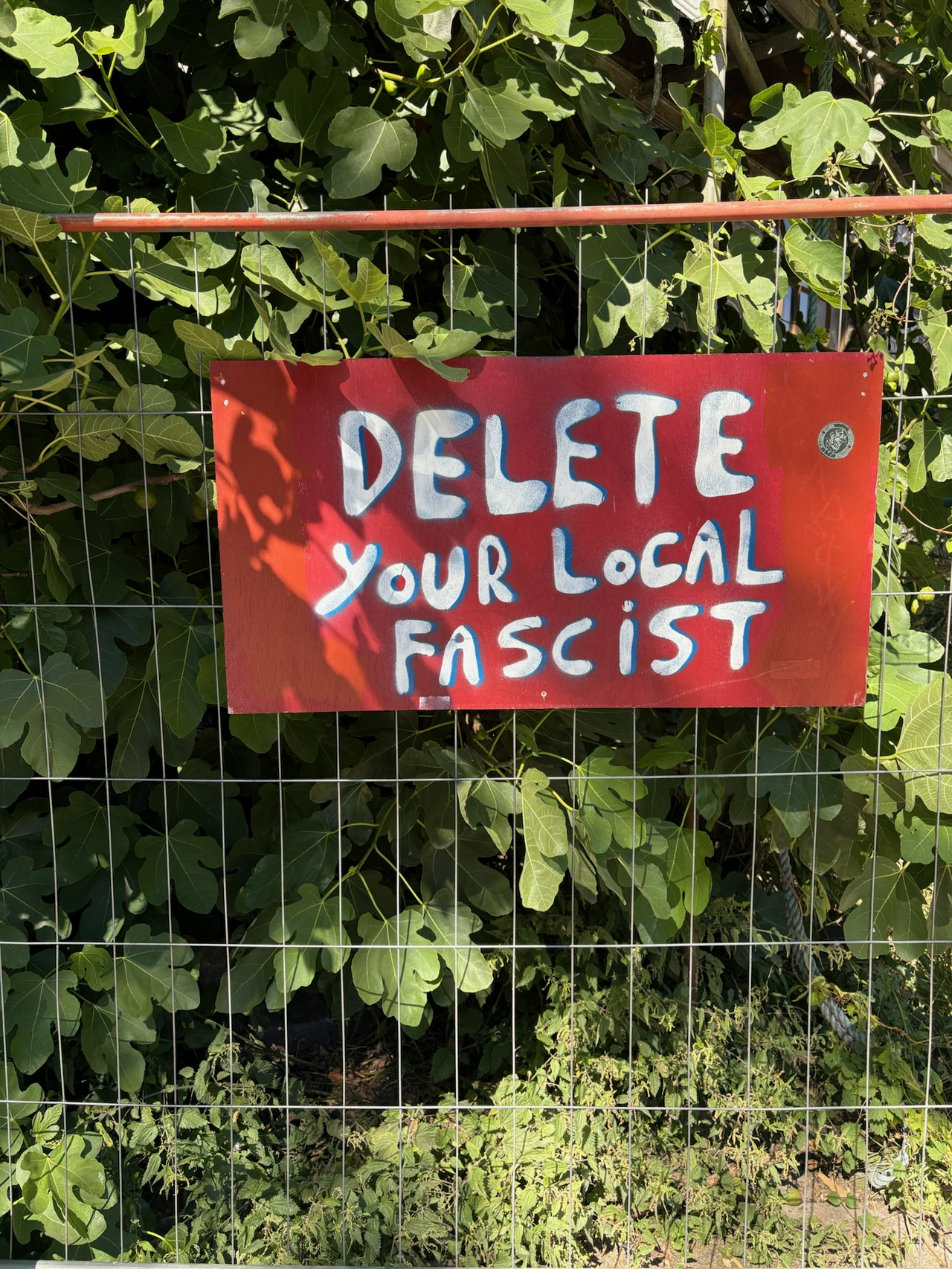
When words fail, are we truly misunderstood or are we failing to understand ourselves?
Are we building our own demise quietly through distraction, apathy, and screens in hand?
Could those who shock or disrupt actually be revealing truths we refuse to face?
view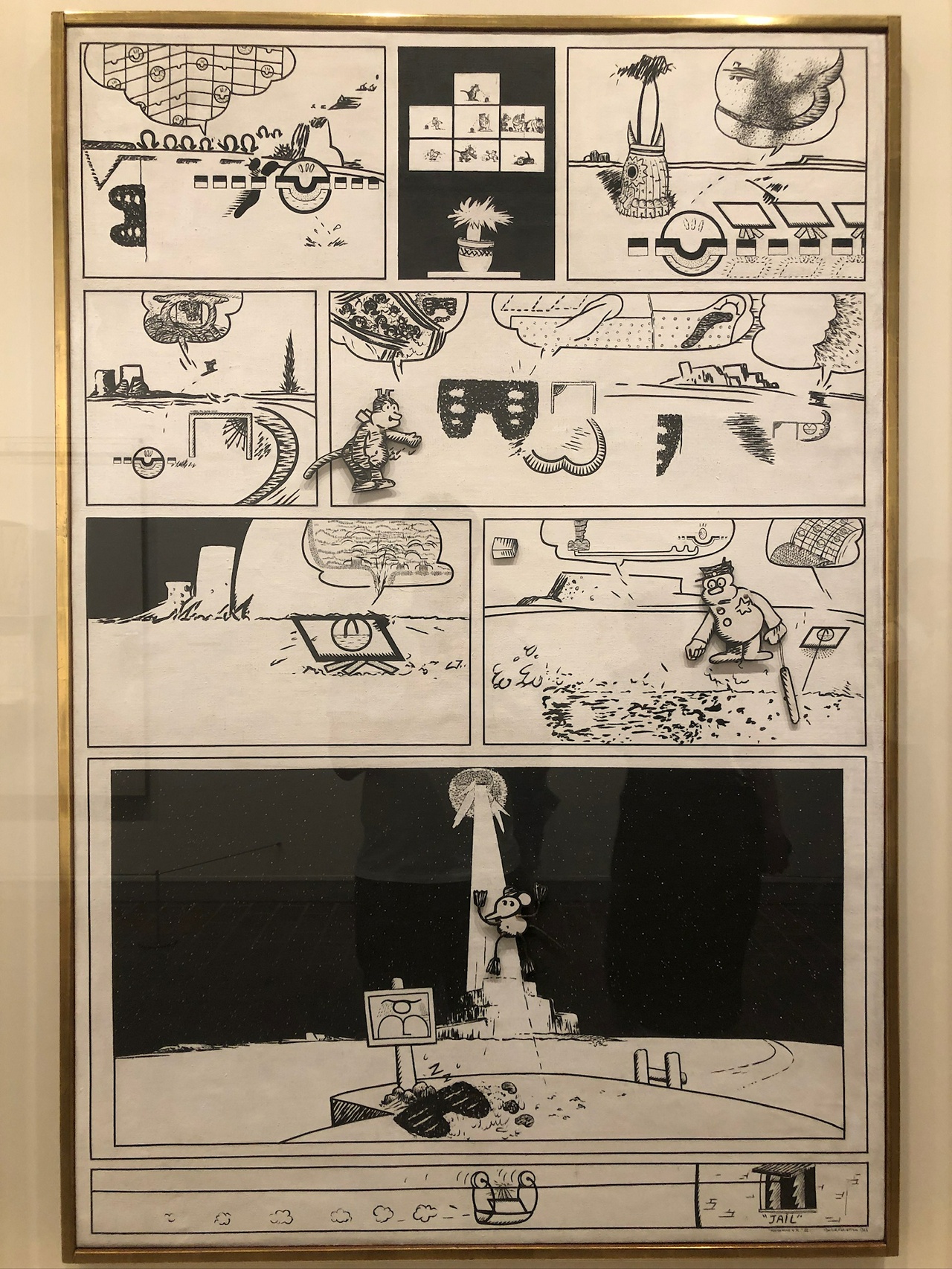
No one is paying attention. No one reads anymore. There is no patience left, no tolerance for slowness, for depth, for subtlety. And yet, perhaps, being timid is sometimes a virtue. Timid people linger where others sprint; timid people observe where others act impulsively. They think deeper, feel longer, notice the corners where light does not reach. They carry the weight of reflection in a world that prizes speed.
In a world obsessed with speed, are we truly seeing or just skimming the surface of life?
Could timidity, patience, and reflection be strengths rather than weaknesses?
Are we losing the ability to notice the subtle corners where meaning and depth quietly dwell?
view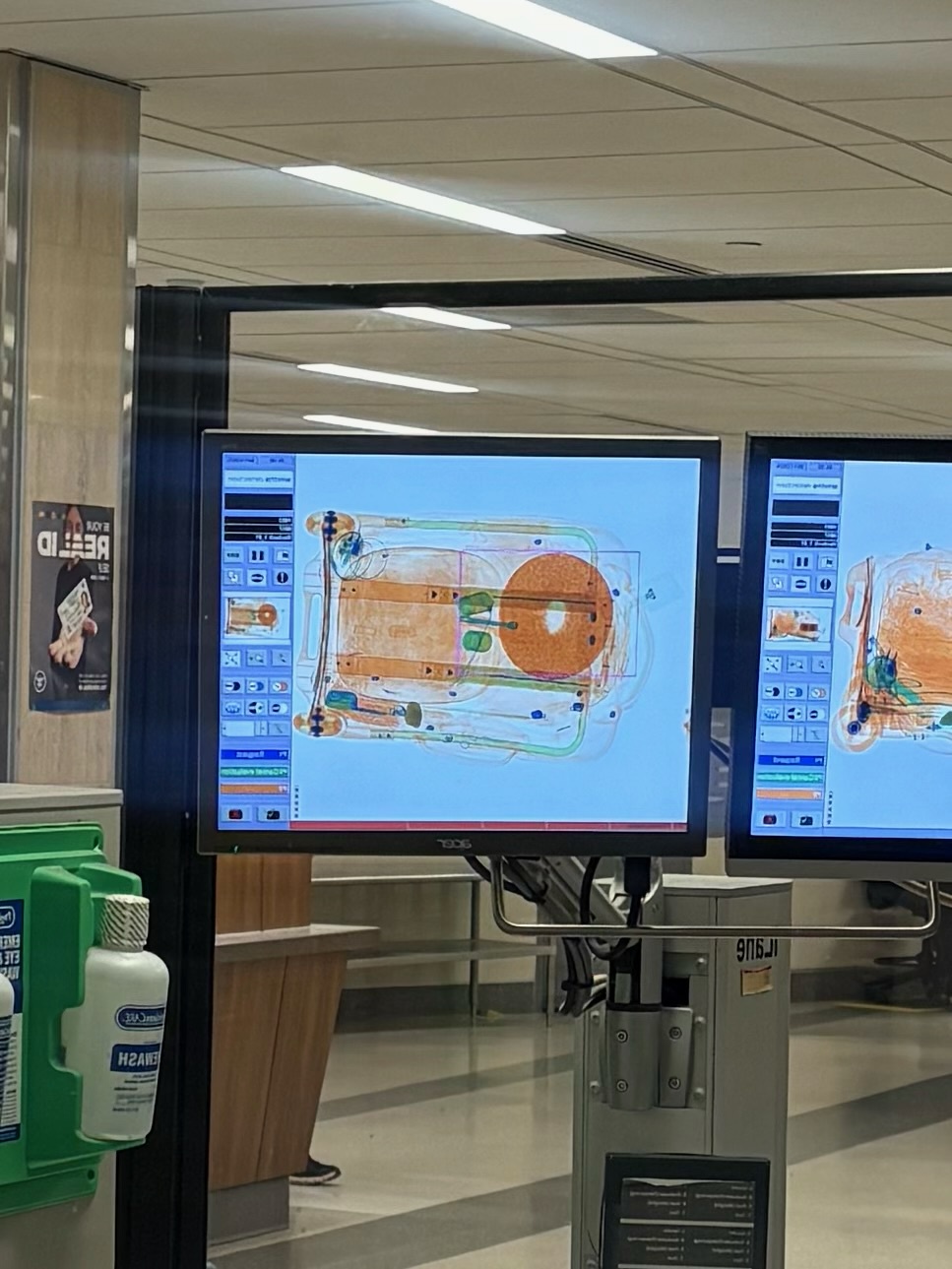
There is no longer memory, only image. The image is memory. But short-term, instantaneous, like Post-it notes stuck around, anecdotes, phone numbers to remember.
Boredom is one of the most important things we have. We need to defend it. We need to return to welcoming it.
Have we replaced memory with images, letting snapshots and screens define what we remember?
How has the shift from film to digital changed the way we value, process, and preserve our experiences?
In a world of endless social media feeds, are we losing the patience for boredom, the space where reflection, depth, and true memory grow?
view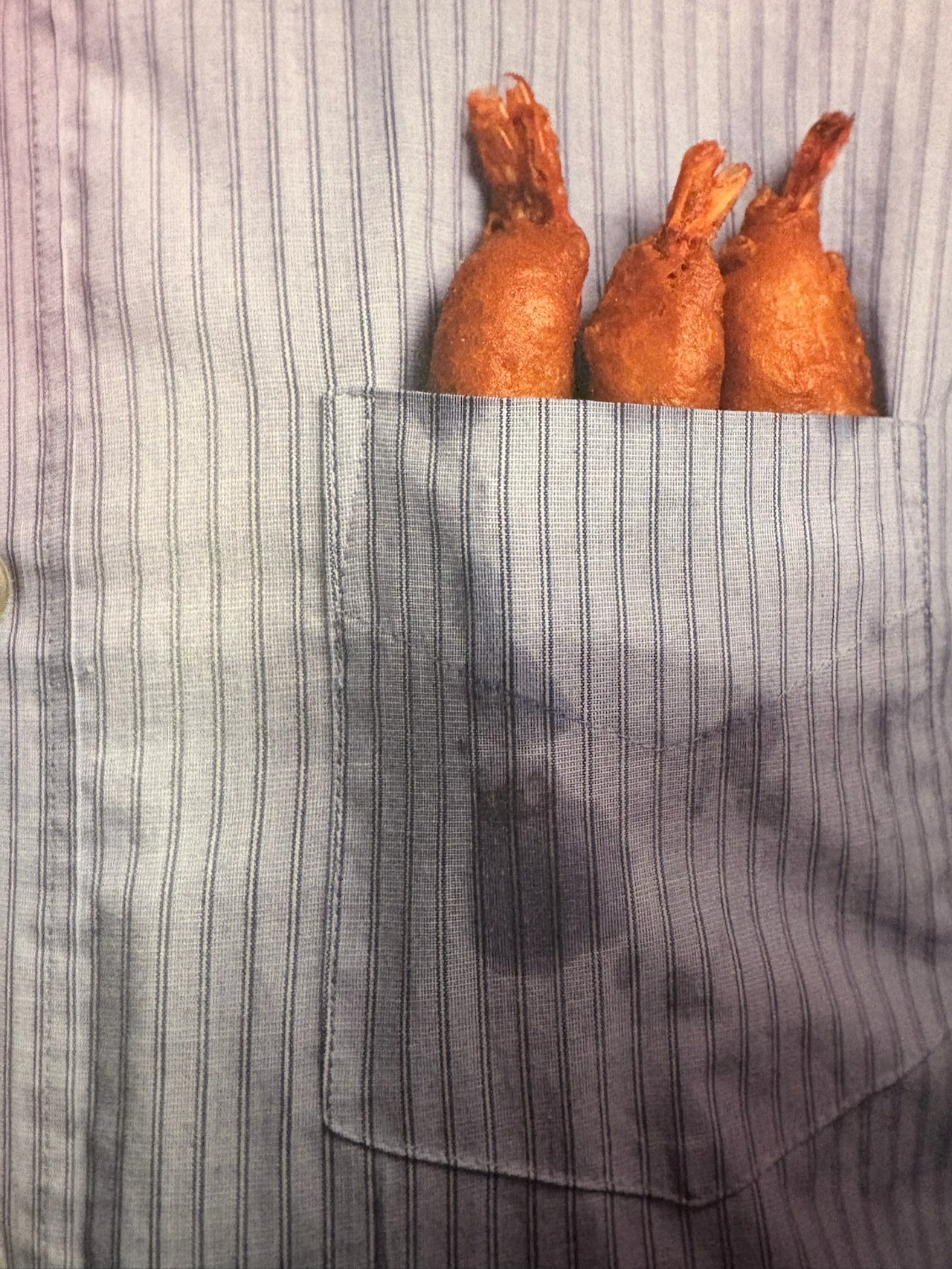 Part-time vegan.
Distraction is the drug of the moment, subtle yet pervasive. It sneaks into our attention like smoke, filling the room, making us forget that we were meant to think, to linger, to observe. These images, these flashes, these constant fragments scrolling past—they will not save the world. They are ephemeral, unanchored, like dreams you cannot recall in the morning. To say “everything’s crazy” is often just an excuse. An excuse for not understanding, not organizing thought, not making the effort to grapple with the confusion that surrounds us.
Are we addicted to distraction, letting it erode our ability to think, linger, and truly observe?
Do the constant flashes, fragments, and scrolling images we consume give meaning—or merely drift past like unanchored dreams?
When we call everything “crazy,” are we avoiding the hard work of understanding, organizing, and grappling with the world around us?
view There is no safe space anymore.
Let the stains remind you. They are markers of repetition, traces of attempts, evidence of failure or insistence. Once isn’t enough, twice is already too much. There is a line somewhere, invisible yet palpable, between persistence and excess, between memory and irritation. It is funny, in a way, that the whole planet seems glued to its screens, each of us tethered to a tiny rectangle, living in the quiet apocalypse of constant distraction. Uber fucking alles, the world delivered to your door, your pocket, your hand.
When did disagreement about art become unacceptable, as if criticism were an attack rather than a natural part of thinking and discussion?
Have years of “likes,” hearts, and algorithmic approval trained us to expect validation instead of honest feedback?
If art is meant to destabilize, provoke, and challenge us, why are we so uncomfortable when someone simply says: “I don’t like it”?